
Talking to Kids About Animal Cruelty and Compassion
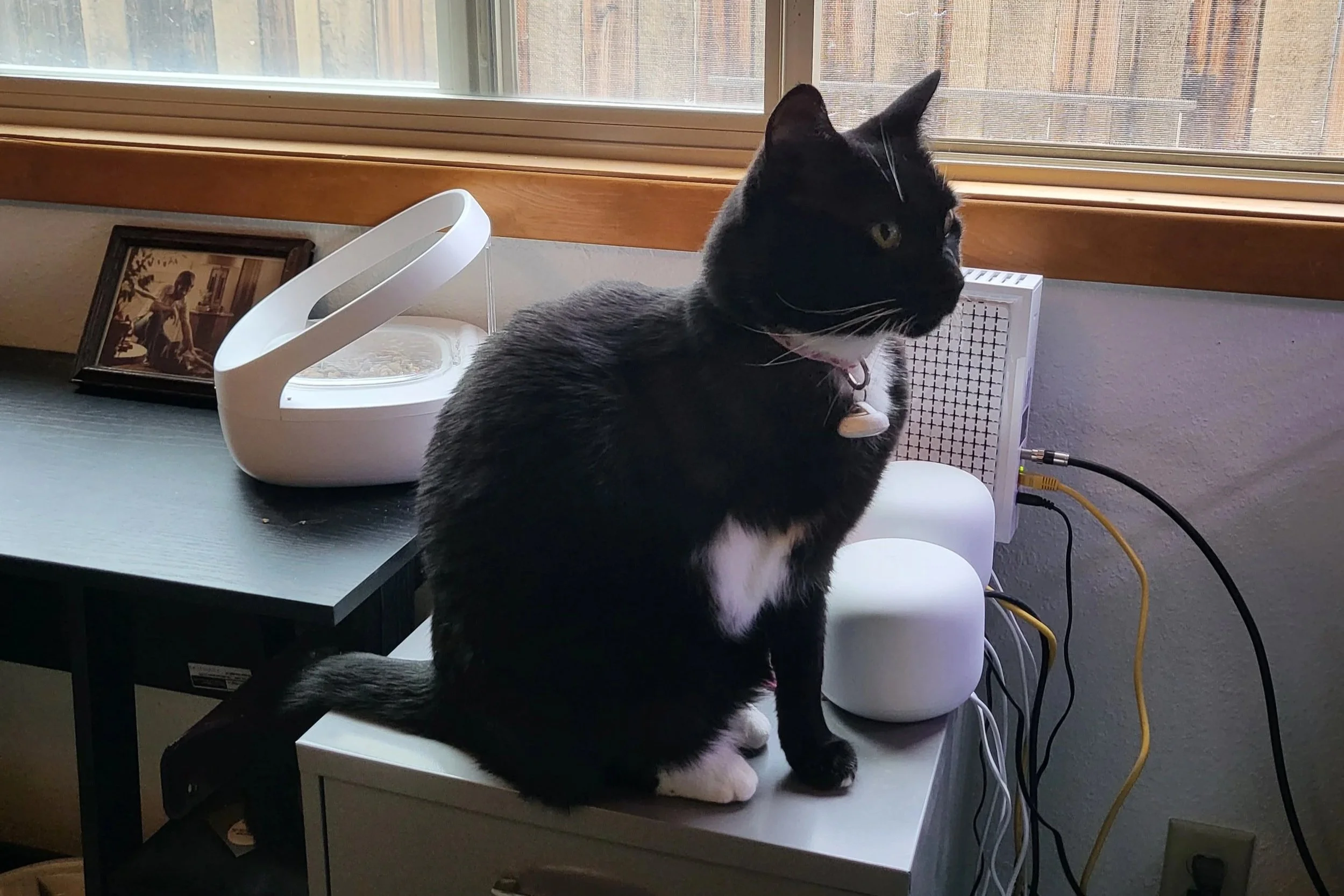
Hello, this is Robin from The Jade Project here to help with some tips about how to speak to your kids about animal cruelty and compassion. Cats bring so much comfort, joy, warmth and companionship, but sometimes they open up doors to fur-real conversations that most of us don’t want to hear. Kids may hear about or witness animals being hurt, neglected or treated unfairly, and that all can be confusing and upsetting. If you’re wondering how to speak to your children about animal cruelty without causing an absolute cat-astrophe, we’ve got you.
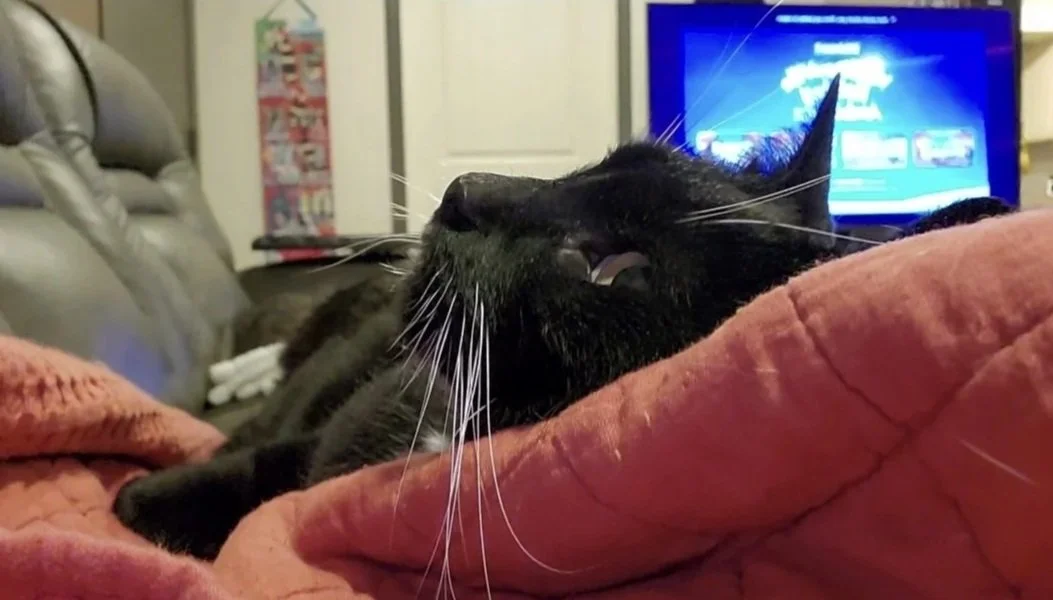
As cat parents, it’s our job to look out for more than just whiskers or paws. We're raising the next thoughtful generation of kind humans. This has become especially important to us at The Jade Project because of Jade's story and the extra care and awareness she now needs. When an animal depends on you more, providing compassion isn’t an option. We all do it out of love. Teaching empathy early helps protect cats like Jade now and in the future. If you’re looking for age-appropriate, gentle ways to talk to kids about kindness, responsibility, and what to do if they see harm, you’re in the right litter box.
Tips when talking to kids
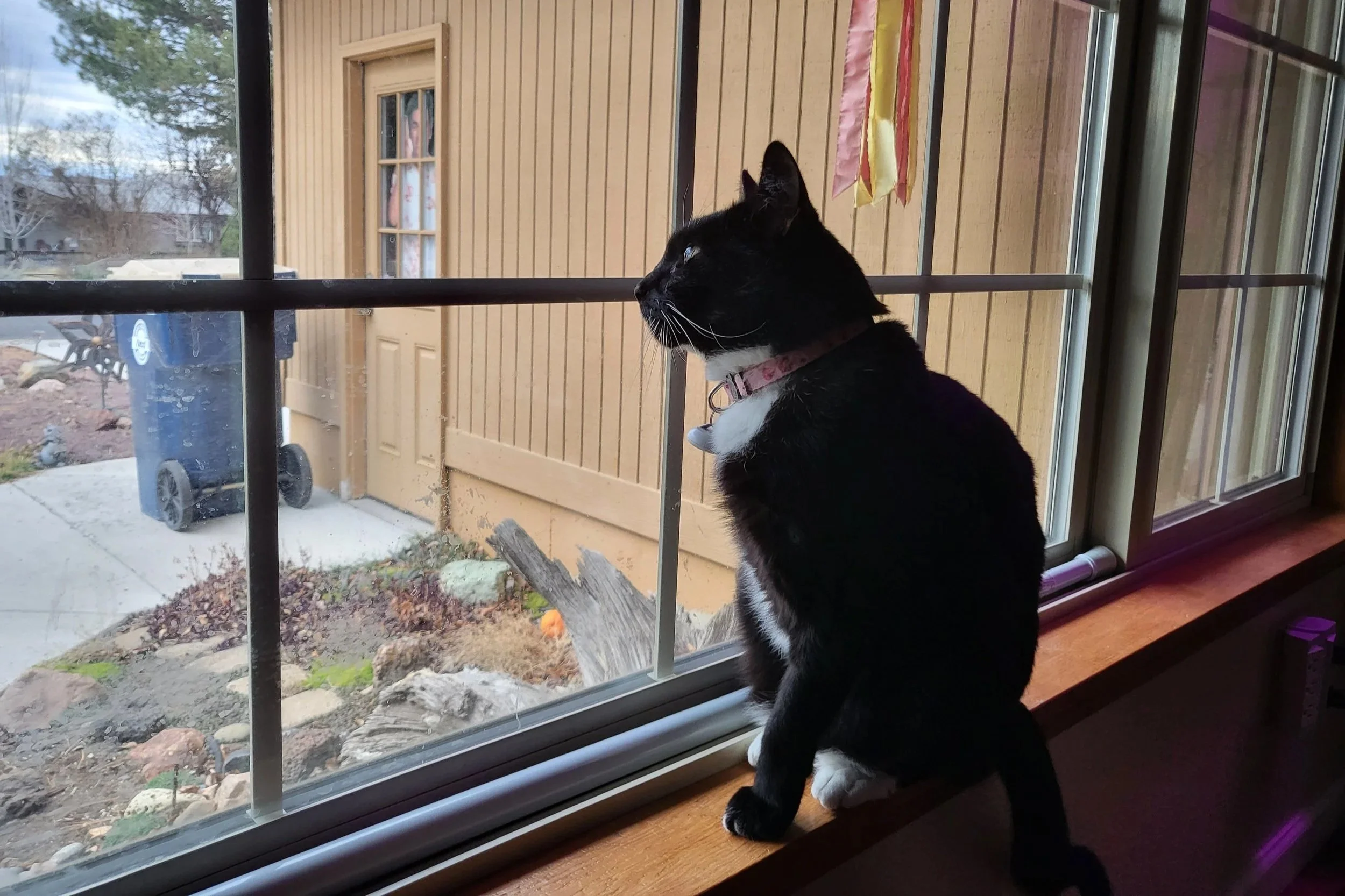
🐾🗨 Start with simple and honest language
For younger kids, keep it gentle and clear. For example: “Animals can feel scared and hurt, just like people, and they deserve to be safe.” While older kids can handle more detail, just be careful not to make it too terrifying and stressful. We want curiosity, not a hiss-terrical response. Let them ask questions!
🐾💛 Focus on empathy, not fear
Encourage kids to put themselves into a cat's paws. Ask them questions like: “How do you think the cat feels when it's hungry or scared?” or “What helps a cat feel safe?”. Empathy is a purr-fect foundation for compassion.
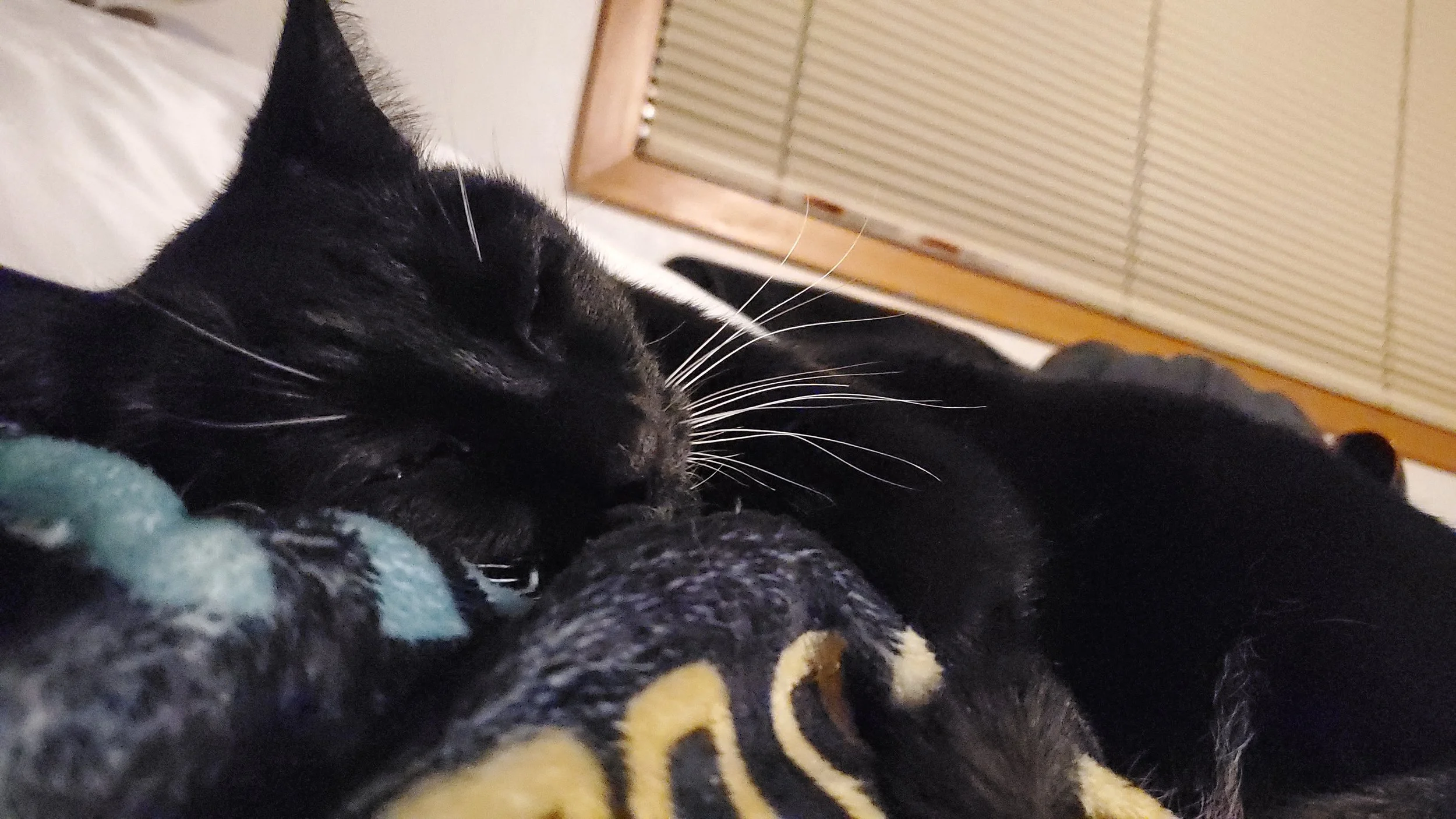
🐾🪀 Teach respect through everyday actions
Show kids how to gently pet cats, recognize when the cat wants space, and help them understand that a cat's tail is not a toy. Even kids without pets can learn responsibility and respect for the animals that they meet, especially service animals… because the paws-itive behavior of kindness should never be optional.
🐾📞 What to do if a child sees or hears about harm
Let children know they should tell a trusted adult right away if they ever see an animal being hurt or hear about it. Speaking about it isn’t tattling, it's called being a brave little lionheart.
🐾🧑⚕ Introduce other people who can help
Explain that there are veterinarians, shelters, rescue groups, and animal advocates who are here to help and are role models of real cat heroes. These are the type of people who step in when animals need help the meow-st.
🐾👪 End with hope and kindness.
Balance the tough conversations with the hopeful ones about rescued cats, happy endings and small ways families can help. A little hope goes a long way in helping kids from feeling helpless or claw-less.
🐾💞 Remember, teaching compassion early helps raise humans who care deeply and act kindly. A little awareness goes a long way in protecting animals, especially cats who need extra care like Jade. Here at The Jade Project, we’re passionate about spreading this message because every cat deserves a safe, enriching, and loving home.
Don’t be afraid to share this with families who may need it. You never know which child, or which cat this could help. After all, humans are animals too so kindness is always the right cat-itude. Let’s treat animals with respect that we would want as well. 😺💛
“I believe animals should be respected as citizens of this earth. They should have the right to their own freedom, their own families, and their own life.”
